Insight themes
Our insights are written for the people leading the work: innovators, NHS and care leaders, commissioners, local and national government, and charity executives. Each piece draws on evidence and on our own experience of the work.
Browse our four themes below, where you'll find the latest insights first.
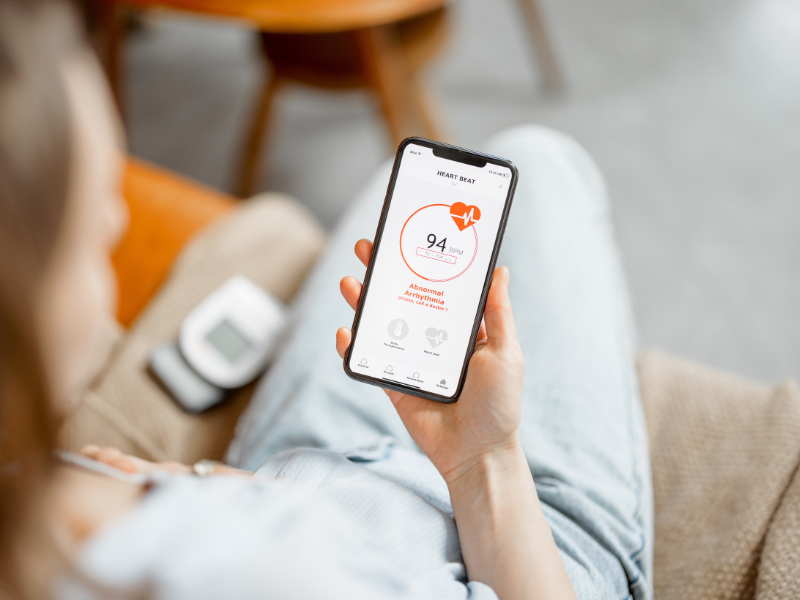
Evidence and evaluation
What constitutes credible evidence in health and care, how to build it proportionately, and how to use it to make the case for your work.

 14 Jul 2026, 09:00
 by: Mark Williams
 13 Jul 2026, 09:00
by: Mark Williams
13 Jul 2026, 09:00
by: Mark Williams
 10 Jul 2026, 09:00
by: Mark Williams
10 Jul 2026, 09:00
by: Mark Williams
 20 Jun 2026, 09:00
by: Mark Williams
20 Jun 2026, 09:00
by: Mark Williams
 22 May 2026, 09:00
by: Mark Williams
22 May 2026, 09:00
by: Mark Williams
 24 Apr 2026, 09:00
by: Mark Williams
24 Apr 2026, 09:00
by: Mark Williams
 27 Mar 2026, 09:00
by: Mark Williams
27 Mar 2026, 09:00
by: Mark Williams
 16 Mar 2026, 09:00
by: Mark Williams
16 Mar 2026, 09:00
by: Mark Williams
 16 Jan 2026, 09:00
by: Mark Williams
16 Jan 2026, 09:00
by: Mark Williams
 7 Jan 2026, 09:00
by: Mark Williams
7 Jan 2026, 09:00
by: Mark Williams
 12 Nov 2025, 09:00
by: Mark Williams
12 Nov 2025, 09:00
by: Mark Williams
 5 Nov 2025, 09:00
by: Mark Williams
5 Nov 2025, 09:00
by: Mark Williams
Adoption
and scale
Why good approaches stall at the pilot stage, what the NHS and its partners require before they adopt, and how to plan a realistic route to spread.
 15 Jul 2026, 09:00
by: Mark Williams
15 Jul 2026, 09:00
by: Mark Williams
 9 Jul 2026, 09:00
by: Mark Williams
9 Jul 2026, 09:00
by: Mark Williams
 8 Jul 2026, 09:00
by: Mark Williams
8 Jul 2026, 09:00
by: Mark Williams
 14 Jan 2026, 09:00
by: Mark Williams
14 Jan 2026, 09:00
by: Mark Williams
 18 Dec 2025, 09:00
by: Mark Williams
18 Dec 2025, 09:00
by: Mark Williams
 18 Nov 2025, 09:00
by: Mark Williams
18 Nov 2025, 09:00
by: Mark Williams
System transformation
Working across organisational boundaries: neighbourhood models, integrated care, partnership working and what it takes to turn a shared challenge into shared action.
 1 Jun 2026, 09:00
by: Mark Williams
1 Jun 2026, 09:00
by: Mark Williams
 11 May 2026, 09:00
by: Mark Williams
11 May 2026, 09:00
by: Mark Williams
 9 Mar 2026, 09:00
by: Mark Williams
9 Mar 2026, 09:00
by: Mark Williams
 28 Nov 2025, 09:00
by: Mark Williams
28 Nov 2025, 09:00
by: Mark Williams
Prevention
and demand
Shifting care upstream. Evidence and practice on prevention, avoidable demand and the models that help people stay well for longer.
 30 May 2026, 09:00
by: Mark Williams
30 May 2026, 09:00
by: Mark Williams